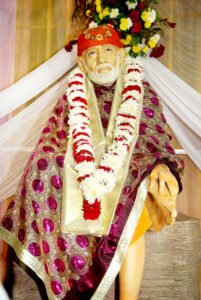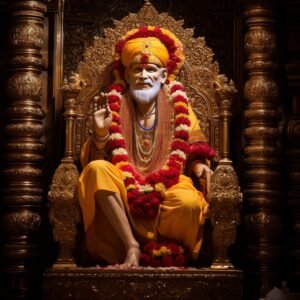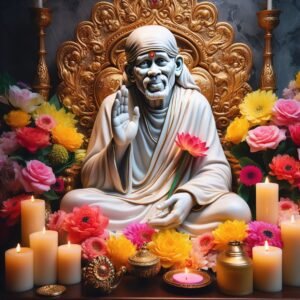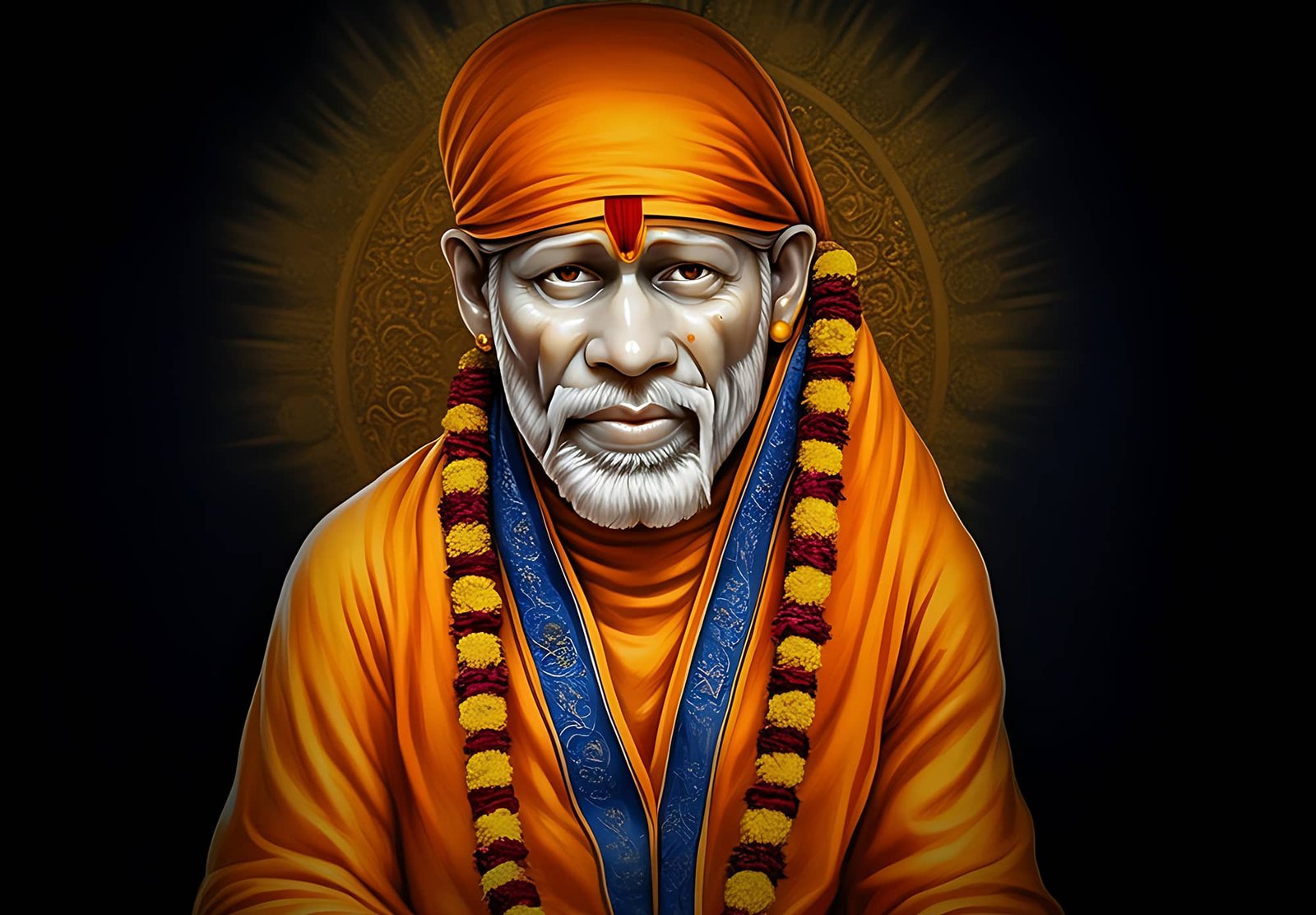
Shirdi, a small town in Maharashtra, India, is one of the most revered pilgrimage destinations for devotees of Sai Baba. Every year, millions of devotees flock to this sacred place seeking spiritual solace and blessings. However, planning your visit at the right time can enhance your experience, allowing you to explore the town peacefully and participate in significant religious events. This blog will guide you through the best seasons, popular festivals, and essential travel tips to make your Shirdi trip memorable.
Best Seasons to Visit Shirdi
Winter (October to February) – The Best Time
Winter is considered the ideal season to visit Shirdi due to the pleasant weather and comfortable temperatures ranging from 10°C to 25°C. This period allows devotees to explore the temple premises without discomfort from heat and humidity.
- Why visit in winter?
- Comfortable weather for darshan and sightseeing.
- Ideal for visiting nearby attractions like Shani Shingnapur and Nashik.
- Festive vibes during major celebrations.
Summer (March to June) – A Challenging Time
Summer in Shirdi can be scorching, with temperatures soaring between 25°C to 40°C. The heat can make it uncomfortable for devotees to wait in long queues for Sai Baba’s darshan.
- Should you visit in summer?
- Not recommended due to extreme heat.
- Early morning or late evening darshan can be a better option.
- Hotels offer discounts during this off-season.
Monsoon (July to September) – A Refreshing Experience
The monsoon season brings relief from the summer heat, with moderate to heavy rainfall. The temperatures range between 20°C to 30°C, making the climate cooler.
- Why visit in monsoon?
- Lush green surroundings and a refreshing ambiance.
- Fewer crowds compared to peak seasons.
- Possible travel disruptions due to heavy rain.

Major Festivals in Shirdi
Shirdi is known for its grand celebrations of religious festivals. Attending one of these festivals can be a spiritually uplifting experience.
1. Guru Purnima (July-August)
This festival honors Sai Baba and all spiritual teachers (Gurus). Devotees gather in large numbers to offer prayers, participate in processions, and witness special bhajans and aartis.
- Best time to witness grand celebrations and rituals.
- Expect large crowds; plan accordingly.
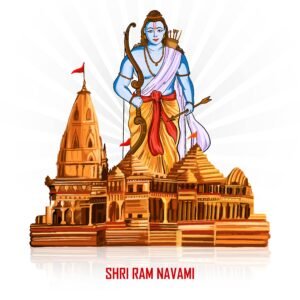
Celebrating the birth of Lord Rama, this festival is one of the biggest in Shirdi. It was started by Sai Baba himself and is marked by special prayers, processions, and rituals.
- Devotees from all over India visit during this time.
- Expect long queues and heavy footfall.
3. Sai Baba Punyatithi (October)
This festival commemorates the death anniversary of Sai Baba. It is observed with three days of spiritual events, including bhajans, processions, and special aartis.
- A highly significant event for Sai Baba devotees.
- The entire town of Shirdi is beautifully decorated.
Essential Travel Tips for Visiting Shirdi
1. Best Time to Visit
- October to February is the most comfortable season for visiting.
- If visiting during festivals, book accommodations well in advance.
- Monsoon offers a peaceful experience with fewer crowds.
2. How to Reach Shirdi
- By Air: The nearest airport is Shirdi International Airport (SAG), around 14 km from the temple.
- By Train: Sainagar Shirdi Railway Station is well connected to major Indian cities.
- By Road: Buses and taxis are available from Mumbai, Pune, Nashik, and Aurangabad.
3. Accommodation Options
- Luxury Hotels: Sun-n-Sand Shirdi, St. Laurn Meditation & Spa.
- Budget Hotels: Hotel Sai Grand Castle Inn, Sai Neem Tree Hotel.
- Dharamshalas & Ashrams: Sai Baba Sansthan Trust provides affordable lodging facilities.
4. Darshan and Temple Timings
- The temple opens at 4:00 AM and closes at 11:00 PM.
- Aarti Timings:
- Kakad Aarti: 4:30 AM
- Madhyan Aarti: 12:00 PM
- Dhoop Aarti: 6:00 PM
- Shej Aarti: 10:30 PM
- Online darshan booking is available through the Sai Baba Sansthan Trust website.
5. Local Sightseeing in and Around Shirdi
- Dwarkamai: A significant place where Sai Baba spent most of his life.
- Chavadi: Sai Baba’s resting place on alternate nights.
- Shani Shingnapur: A famous temple dedicated to Lord Shani (approx. 70 km from Shirdi).
- Nashik: Visit Trimbakeshwar Temple and Panchvati (approx. 90 km from Shirdi).
6. Travel Tips for a Hassle-Free Visit
- Carry light cotton clothes in summer and woolens in winter.
- Keep an umbrella or raincoat during monsoons.
- Avoid touts and unauthorized guides near the temple.
- Follow COVID-19 guidelines if applicable.
- Book hotels and darshan slots in advance, especially during peak seasons.
Conclusion
Shirdi is a sacred and serene pilgrimage destination that attracts devotees from all walks of life. While you can visit Shirdi throughout the year, the winter months (October to February) offer the best experience due to pleasant weather and grand festivities. If you wish to be part of major celebrations, plan your trip around festivals like Guru Purnima, Ram Navami, or Sai Baba Punyatithi.
With proper planning, including travel arrangements, accommodations, and darshan bookings, your visit to Shirdi can be a fulfilling spiritual journey. May your trip be blessed with peace and divine grace!